
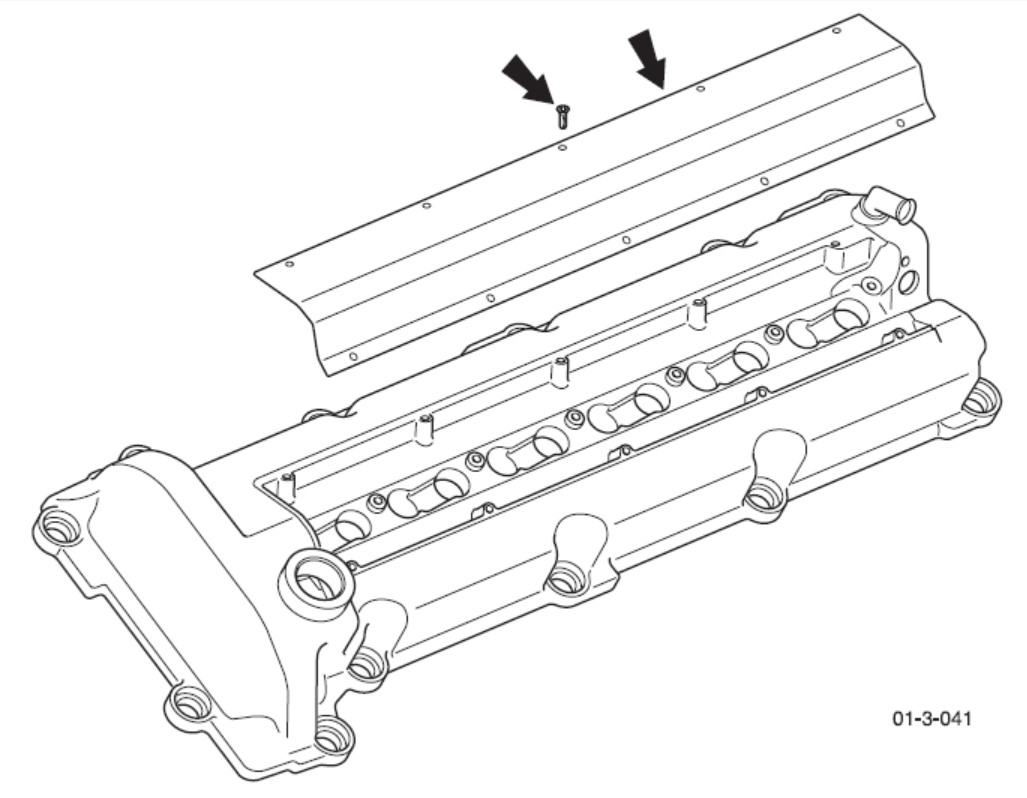
 The Spark Plug Covers on a DB9 are used to shield both the Coil Packs and the Spark Plugs inside the valve cover. All this is situated underneath the intake manifolds, so it’s a bit of a phaff to get to them. You may need to remove the covers in order to change the Coil Packs or Spark plugs (like I am) or perhaps you are fixing a leaking valve cover gasket or something deeper in the engine. Either way, it’s a pretty simple process. Continue reading “Removing the Spark Plug Covers from an Aston Martin DB9”
Category: How To
Removing the Intake Manifolds from an Aston Martin DB9
 The intake manifolds in a DB9 are big and beautiful, blanketing most of the engine bay, so access to anything underneath usually requires removing them. Some of the reasons you’d need to remove them include changing your Coil Packs and Spark Plugs (as I am doing at the moment). In this post I am covering the actual final steps of unbolting the manifolds (which is a bitch of a challenge), sharing some tips on how to finagle them out of the tight spaces without breaking off the sensors, and unhooking the unseen vacuum hoses. Continue reading “Removing the Intake Manifolds from an Aston Martin DB9”
Preparing the Intake Manifolds for Removal from an Aston Martin DB9

You might need to remove the Intake Manifolds from your DB9 for many service reasons including the need to change your Coil Packs and Spark Plugs. The process of removing them is fairly involved, and requires disconnecting a crapload of auxiliary items before you can actually remove them. In this article I will cover what defines a crapload. Continue reading “Preparing the Intake Manifolds for Removal from an Aston Martin DB9”
Disconnecting the Fuel Rails and Removing Fuel Injectors from an Aston Martin DB9

You might be needing to disconnect the fuel rails to change one or more fuel injectors, or perhaps to dig further into the engine removing the Intake Manifolds as part of changing your Coil Packs, Spark Plugs or perhaps your PCV Valves. It’s not a difficult task once you have the prerequisites listed below out of the way.
Note: I will be explaining how to unmount the fuel rails and disconnect them from the fuel injectors, but NOT how to completely remove the fuel rail. God help you if you need to actually remove the rails entirely. At the very bottom of this article I will regurgitate the instructions from the Aston Martin Workshop Manual, but I can tell you know it’s probably impossible to do this with the engine in the car. I bought the special tools and was going to try but waved off after seeing mission impossible in front of me. I found it was totally unnecessary for the service tasks I noted above. We can make do with them loose and able to swing side to side. Continue reading “Disconnecting the Fuel Rails and Removing Fuel Injectors from an Aston Martin DB9”
Removing the Intake Manifold Brace from an Aston Martin DB9
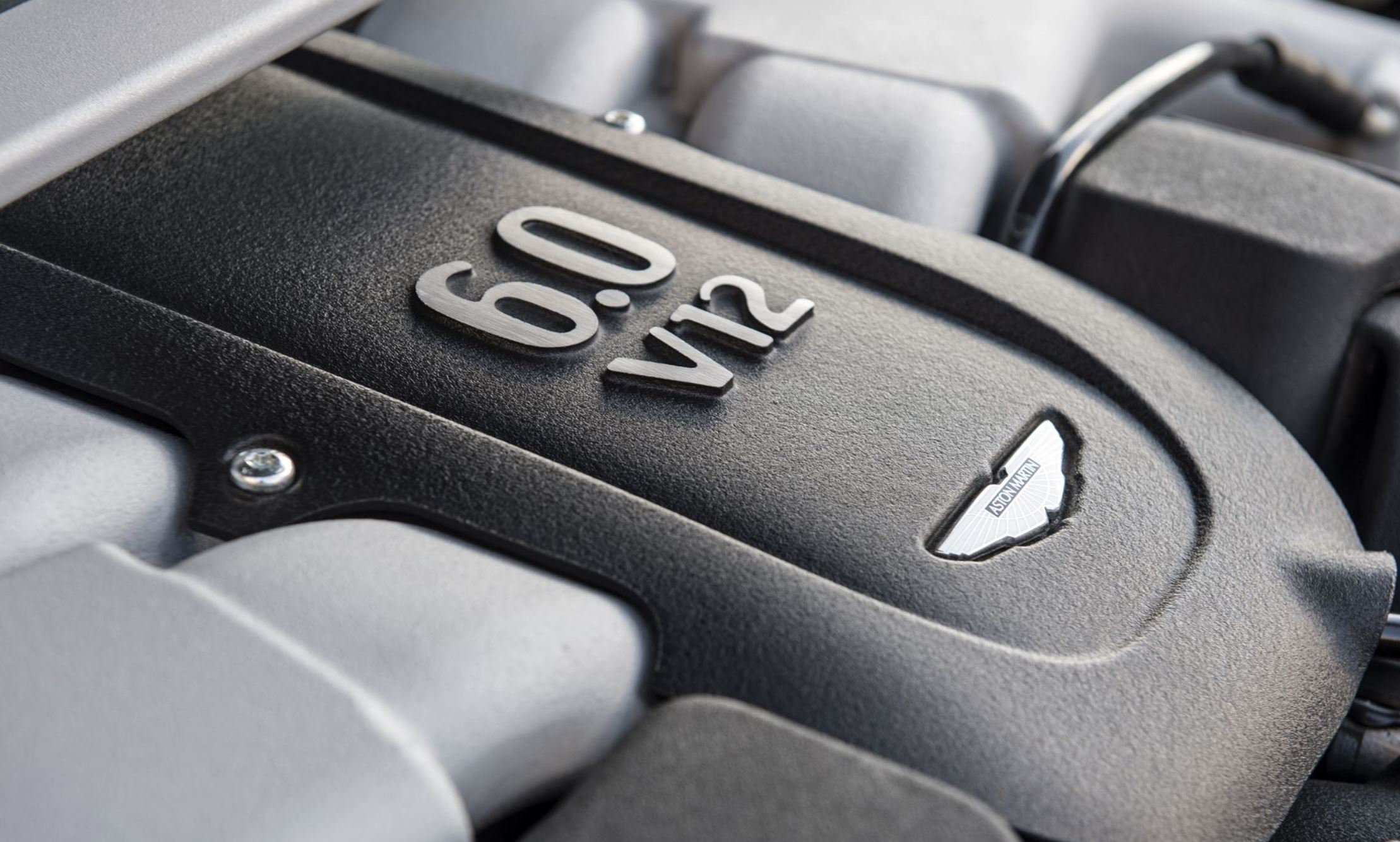 The Centerpiece under the hood of any DB9 is the 6.0 V12 Aston Martin emblazoned logo on the Intake Manifold Center Brace. You may need to remove this brace for various service items like changing your coil packs and spark plugs or perhaps servicing your PCV valves or something in the fuel injection system. Continue reading “Removing the Intake Manifold Brace from an Aston Martin DB9”
Removing the Engine Bay Cross Braces from an Aston Martin DB9
 Under the hood (bonnet) of the DB9 are three structural cross braces linking the strut towers and the firewall in a triangle (natures strongest shape). These braces perform a vital role in the cars handling – stiffening the front of the chassis. If you are about to do some service work like changing your coil packs, spark plugs, PCV valves or even the windshield washer bottle filler neck you may need to remove one or all of these braces. Continue reading “Removing the Engine Bay Cross Braces from an Aston Martin DB9”
Fender Covers while Performing Engine Service Work on an Aston Martin DB9
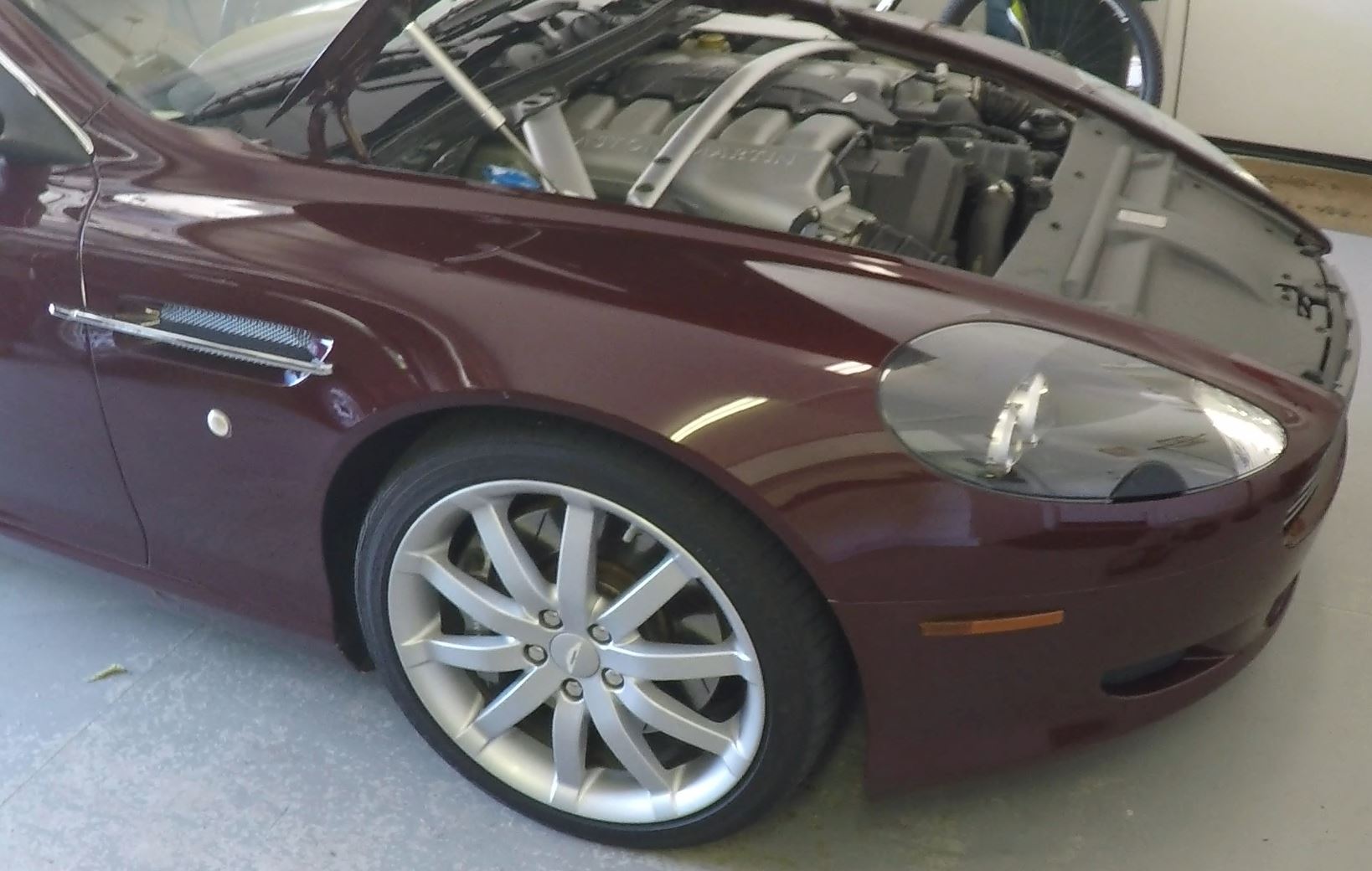
Before you begin any work under the hood (bonnet) on your DB9 you should consider if there is a chance you might scratch or damage one of those gorgeous fenders (wings). One momentary mistake could lead to much anguish should a spanner go awry, not to mention the buttons or zipper from your jeans or jacket.
Personally I don’t cover them up if I am just checking the oil or just having a peek under the hood, but if I am performing any real service I definitely cover them up. Continue reading “Fender Covers while Performing Engine Service Work on an Aston Martin DB9”
Disconnecting the Battery in an Aston Martin DB9

There are MANY service events for your DB9 that say to disconnect the battery as one of the steps. I am as realistic as anyone in this regard – meaning I usually skip this step if I think I can get away with it. The safety Nazi’s probably tell you disconnect the battery to vacuum the carpets. But, there are certainly some circumstances where this should be followed. Working on your fuel system, working on the electrical system, etc. Any situation where an accidental spark or short could destroy parts of the car. Continue reading “Disconnecting the Battery in an Aston Martin DB9”
Depressurizing the Fuel System on an Aston Martin DB9
 You may need to depressurize the fuel system on your DB9 if you are going to do any work with the fuel rails or fuel injectors under the hood. I am doing this as part of changing my coil packs and spark plugs, but you might be wanting to change a fuel injector or various other engine service tasks. Normally the fuel system has ~40psi of fuel pressure (even when turned off as residual pressure), and if you are going to disconnect something with the fuel system under the hood (bonnet), you don’t want the risk of it spraying you, your car, or worst of all causing a fire.
Depressurizing it is fairly simple. We are going to run the engine out of gas by removing a relay that operates the fuel pumps. No fuel = no pressure. Easy. Continue reading “Depressurizing the Fuel System on an Aston Martin DB9”
Accessing the Cabin Fuse Box on an Aston Martin DB9

An Aston Martin DB9 has 3 separate fuse boxes, one in the engine compartment, one in the passenger compartment and the last in the boot. You may need to access the Cabin Fuse Box for a variety of service reasons as it contains fuses for a myriad of the vehicles systems. In addition to the fuses, this is also the location of the Fuel Pump Relay, something you may need to remove to depressurize the fuel system if you are working on your fuel injectors.
Accessing the Cabin Fusebox is pretty easy once you know where it is. From the owners manual diagram above you’d think it was under the dash on the right. Actually, its under the floor mat on the Passenger side, so it’s different than in the diagram shown if you have a Right Hand Drive (RDH) car. That’s right, under the floor mat, not hidden under the dash. Check out my video below for a clear view of where it is. Continue reading “Accessing the Cabin Fuse Box on an Aston Martin DB9”
 Aston 1936